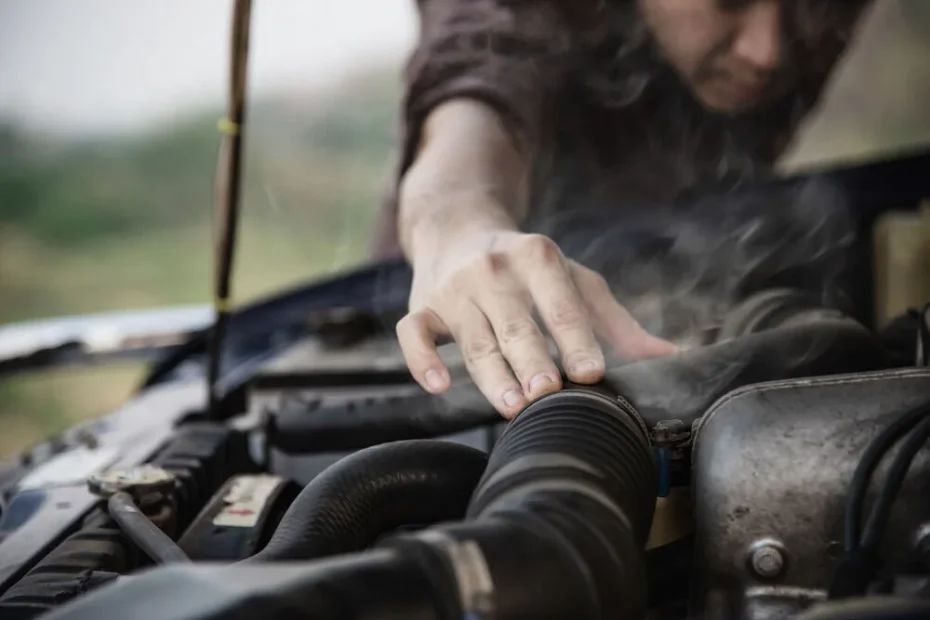
How Do Car Mechanics Check Engine Warning Lights?
Have you ever seen the engine warning light appear on your car’s dashboard and wondered what went wrong? It can be concerning, especially when your car seems to be running perfectly fine. But what causes this warning, and how do mechanics find the problem?
Car mechanics check engine warning lights by connecting a diagnostic scanner to the vehicle, reading error codes, and testing the parts linked to those codes. They also inspect the engine and related systems to find the actual cause. This process helps them identify problems and recommend the right repairs instead of replacing parts without proper checks.
At Vishwakarma Automobiles, we understand how worrying engine warning lights, overheating, or other car problems can be. That’s why we offer professional car engine repair in Gurgaon to help you get back on the road with confidence. Our experienced mechanics carefully identify the issue and provide the right repair solutions to keep your car running smoothly. Need help with your car? Contact Us Now!
What Does an Engine Warning Light Mean?
The engine warning light, also called the check engine light, alerts drivers when the vehicle’s engine management system detects a possible problem. The issue may involve sensors, fuel delivery, ignition, emissions, or other engine-related parts.
Sometimes, the reason may be as simple as a loose fuel cap. In other cases, it could indicate an engine misfire, a faulty sensor, or an issue with the fuel system.
A steady warning light often indicates a fault that needs attention soon. A flashing light can signal a serious problem, such as an engine misfire that may damage the catalytic converter. In this case, stop driving when safe and seek professional advice.
The important thing to remember is that the warning light indicates a problem, but it does not tell you exactly what needs fixing. That is why a professional car engine diagnostic test is useful.
How Do Car Mechanics Check Engine Warning Lights?
Wondering what happens when you take your car to a workshop for an engine warning light check?Mechanics follow a step-by-step process to find the source of the warning. Here is how they usually diagnose the problem.
1. Ask About the Warning Signs
First, mechanics ask drivers when the light appeared and whether they noticed other changes. These details help narrow down possible causes.
They may ask questions such as:
- Does the engine lose power?
- Does the car shake while idling?
- Has fuel consumption increased?
- Is the engine difficult to start?
- Did the warning light appear after refuelling?
Your answers give mechanics useful information before they begin testing.
For example, if your car starts shaking and the check engine light comes on, the mechanic may investigate a possible engine misfire. These small details can help make the diagnosis more focused.
2. Connect an OBD-II Scanner
Mechanics usually connect an onboard diagnostics scanner to the car’s diagnostic port. In many vehicles, this port sits beneath the dashboard near the steering wheel.
The scanner communicates with the vehicle’s computer and retrieves diagnostic trouble codes. These codes point towards systems or conditions that need further investigation.
An OBD-II scanner helps mechanics understand where to begin, making it an important tool in modern car engine diagnostics.
3. Read and Interpret Error Codes
After retrieving the codes, mechanics check their meaning using suitable diagnostic information. They also review related codes and available data.
Some scanners display freeze-frame data. This information records engine conditions from around the time the fault occurred, such as engine speed, temperature, and vehicle load.
These details help mechanics understand when the problem started and under what conditions it appeared.
An error appears only when the engine is under heavy load, mechanics can focus on components For instance, if an error appears only when the engine is under heavy load, mechanics can focus on components that may be affected during acceleration. This helps them investigate the problem more accurately. For instance, if an ant is affected during acceleration. This helps them investigate the problem more accurately.
4. Inspect Engine Parts and Wiring
Next, mechanics inspect the parts linked to the diagnostic codes. They may examine electrical connections, wiring, vacuum hoses, fuel system components, and sensors.
A loose connector, damaged wire, or leaking hose can sometimes trigger a warning light. Mechanics also look for visible damage and signs of wear.
This physical inspection is an important part of checking engine warning lights because not every problem is caused by a faulty sensor or electronic component.
At this stage, experienced professionals avoid replacing parts simply because a scanner mentions them. They check whether the part actually causes the fault.
5. Perform Further Diagnostic Tests
If the cause remains unclear, mechanics carry out additional tests. They may use a multimeter to check electrical circuits or specialised tools to measure fuel pressure and sensor performance.
For an engine misfire, they may inspect spark plugs, ignition coils, and fuel delivery. For an emissions-related fault, they may examine oxygen sensor readings and the exhaust system.
These additional tests help mechanics confirm the actual issue before recommending repairs.
If you are looking for a reliable car repair service in Gurgaon, Vishwakarma Automobiles offers professional diagnostic assessments and car repair services to help identify engine-related issues.
Vishwakarma Automobiles can be considered when you need professional help identifying an engine warning light and understanding the required repairs.
6. Repair the Confirmed Problem
Once mechanics identify the cause, they explain the fault and recommend suitable repairs. Depending on the findings, they may repair damaged wiring, replace a faulty sensor, fix a leak, or service another affected component.
The repair should address the confirmed problem rather than just remove the warning from the dashboard.
A good mechanic will also explain what caused the warning light and which repairs are needed, helping you make an informed decision about your car.
7. Clear the Codes and Test the Car
After completing the repair, mechanics may clear the diagnostic codes using a scanner. They then restart the engine and check whether the warning light returns.
They may also take the car for a test drive or run system checks to confirm that the repair worked. Some vehicle systems need specific driving conditions before they complete their self-tests.
If the warning returns, mechanics investigate further rather than assuming the repair has solved everything.
The goal is not simply to turn off the check engine light. It is to make sure the underlying problem has been properly addressed.
What Are the Common Reasons for a Check Engine Light to Come On?
There are several reasons why your car’s check engine light may turn on. Understanding some common causes can help you recognise when your vehicle needs attention.
- Loose fuel cap: A loose or damaged fuel cap can sometimes trigger an emissions-related warning.
- Faulty oxygen sensor: An oxygen sensor problem may affect the information used by the engine to control fuel delivery.
- Engine misfire: Worn spark plugs, faulty ignition coils, or fuel delivery issues can cause an engine to misfire.
- Damaged wiring or connectors: Loose electrical connections can interrupt signals between sensors and the engine computer.
- Emissions system problems: Faults involving the catalytic converter or other emissions-related components may activate the warning.
Although these are common causes, the exact reason can vary depending on your car’s make, model, and condition. A professional diagnostic check helps identify the specific problem.
Why Should You Get an Engine Warning Light Checked Early?
It may be tempting to ignore the warning light when your car still drives normally. However, getting it checked early can help you avoid unexpected trouble on the road.
Ignoring an engine warning light can allow a small fault to become more serious. A faulty sensor may affect fuel use, while an engine misfire can damage other components if you continue driving.
Early diagnosis helps mechanics find the problem before it causes further damage. It can also prevent unnecessary part replacements because proper testing identifies what actually needs attention.
Timely engine warning light diagnosis can help maintain your car’s performance, improve repair decisions, and potentially reduce avoidable repair costs.
If the light flashes, the engine runs roughly, or the car loses significant power, stop in a safe place and seek professional advice.
FAQs
1. Can a mechanic identify an engine problem using a scanner?
A scanner provides diagnostic codes and useful data. Mechanics often need further inspections and tests to confirm the exact cause. This helps them identify the problem rather than simply relying on an error code.
2. Does an engine warning light always mean a serious problem?
No. Some faults are minor, but others can damage the engine or emissions system. The best approach is to arrange a diagnostic check promptly to understand what needs attention.
3. Can I drive with the engine warning light on?
A steady light may allow cautious driving to a repair centre if the car runs normally. However, a flashing check engine light, significant power loss, or unusual engine behavior means you should stop when safe and seek assistance rather than continue driving.
4. How long does it take to diagnose an engine warning light?
A basic scan may take a few minutes. Finding the exact cause can take longer, depending on the fault and the tests required. Some issues can be identified quickly, while others require more detailed inspections.
5. Will clearing the error code fix the problem?
No. Clearing a code removes the stored warning, but it does not repair the underlying fault. The light may return if the problem remains.Proper diagnosis and repair are necessary to address the cause.
6. Why is my check engine light on even though my car runs fine?
Your car may appear to drive normally even when its engine management system detects an issue. Minor sensor faults, emissions-related problems, or intermittent electrical issues can sometimes trigger the warning without obvious symptoms. A diagnostic scan can help identify the reason.
Conclusion
Car mechanics check engine warning lights by scanning diagnostic codes, inspecting related parts, performing tests, and confirming repairs. A warning code offers a useful starting point, but further checks help identify the actual fault. Do not ignore a warning or assume that one code always means one faulty part. For help diagnosing engine warning lights and finding suitable repairs, consider contacting Vishwakarma Automobiles.
Whether the problem involves a sensor, wiring, or an engine component, timely diagnosis helps you understand what your vehicle needs and avoid unnecessary repairs.
If your car’s engine warning light is on, Vishwakarma Automobiles can help you take the next step. Book a car diagnostic appointment in Gurgaon and let an experienced mechanic inspect the issue before it becomes a bigger concern.