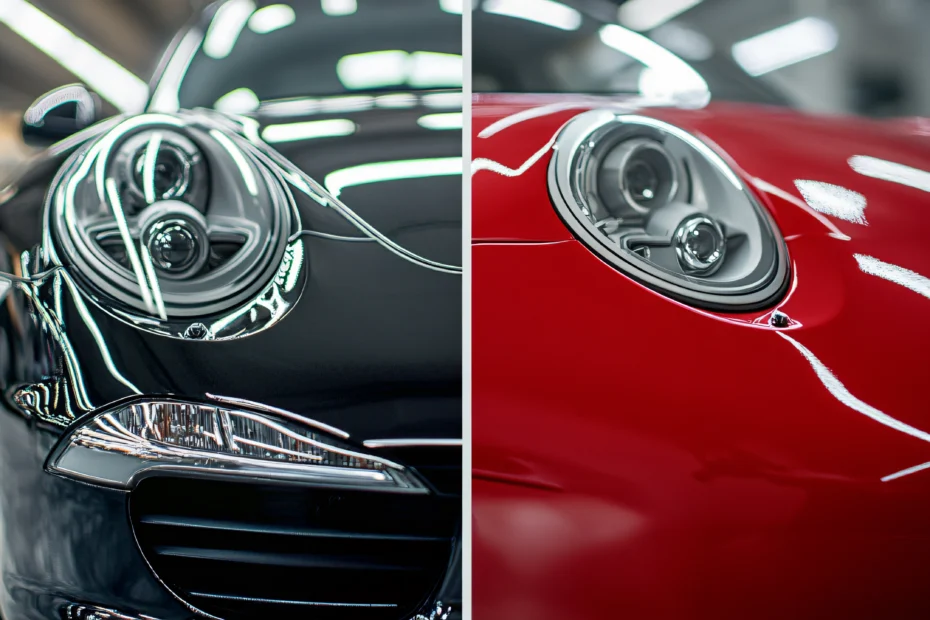
Every car owner loves that fresh, glossy look right after a wash. But how often does it really last? For many, the shine seems to fade within days or weeks. Cars face daily challenges like sunlight, dust, bird droppings, pollution, and acid rain, all of which can damage the paint over time.
This is why paint protection is essential. It not only keeps your car looking new but also preserves its value over the years. Two popular methods for paint protection are ceramic coating and car wax. Both promise to protect your car’s paint and maintain its shine, but which one is actually better?
In this guide, we’ll cover everything: what these products are, their benefits, limitations, cost, maintenance, and how to choose the right one for your car.
What is Car Wax?
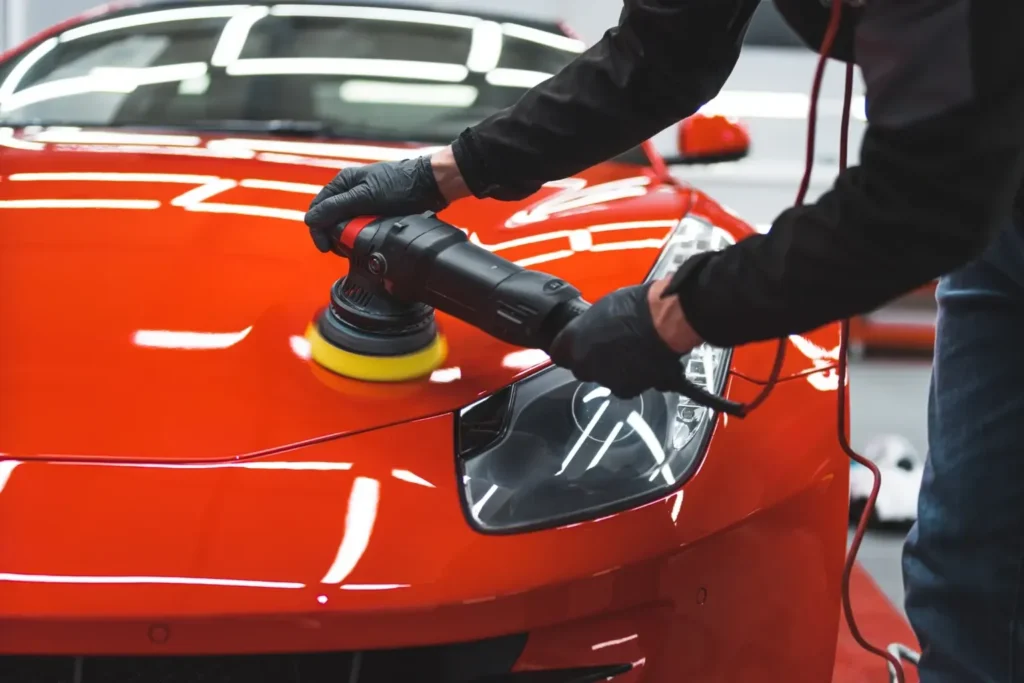
Car wax has been used for decades as a simple and effective way to protect car paint. It is widely popular because of its ease of use and the deep shine it provides. However, its protection is temporary and requires regular maintenance.
Definition and Working
Car wax is made from natural carnauba wax or synthetic compounds. It forms a thin layer on top of your car’s paint, acting as a protective shield against dust, sunlight, and water. Since it does not bond with the surface, it gradually wears off.
Types of Car Wax
- Carnauba Wax – Natural, short-term protection with deep, warm shine.
- Synthetic Wax / Paint Sealant – Longer-lasting than carnauba, easier to maintain.
- Spray Wax – Quick and easy application, but wears off faster.
- Liquid and Paste Wax – Balanced performance with good shine and reasonable durability.
Key Benefits of Car Wax
- Easy and quick to apply, ideal for DIY enthusiasts
- Affordable compared to ceramic coating
- Provides a warm, glossy finish that enhances paint color
Limitations of Car Wax
- Short lifespan (needs frequent reapplication)
- Wears off quickly due to washing, sunlight, and heat
- Minimal protection against scratches or chemical damage
What is Ceramic Coating?
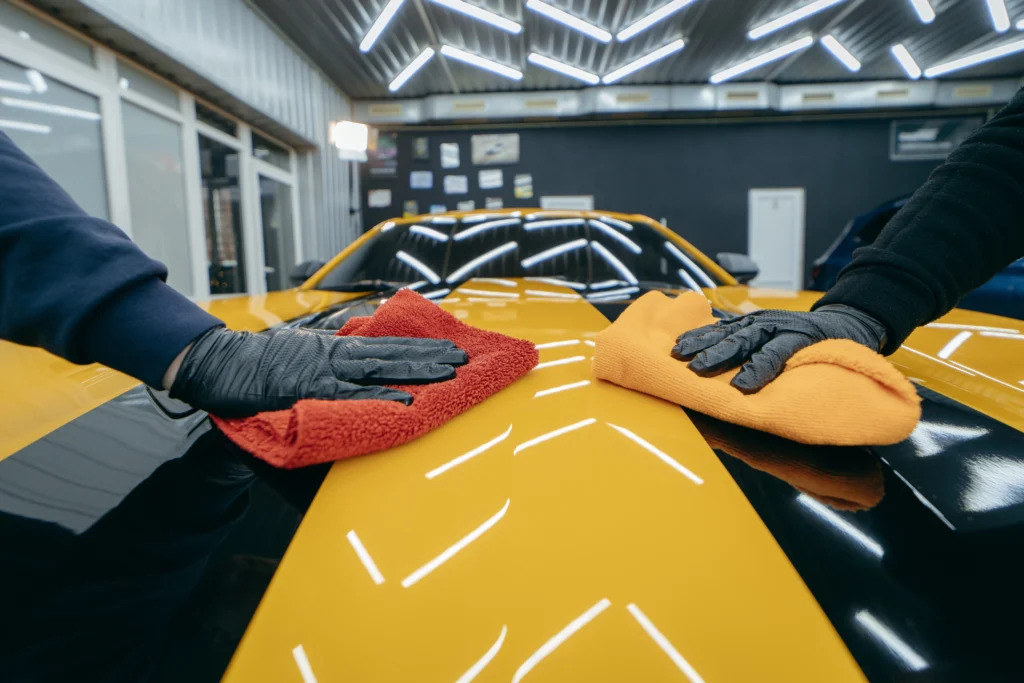
Ceramic coating is a modern solution designed for long-term paint protection. It uses advanced technology to create a strong layer that bonds with your car’s paint. This makes it much more durable and effective than traditional wax.
Definition and Working
Ceramic coating is made using silicon dioxide (SiO₂). It chemically bonds with the paint surface and forms a hard, transparent layer. This layer acts like a shield, protecting your car from environmental damage for years.
Key Benefits of Ceramic Coating
- Long-lasting protection (2–5 years for professional applications)
- Resists UV rays and oxidation
- Protects from chemical stains, bird droppings, and road contaminants
- The hydrophobic effect makes washing easier and keeps the car cleaner
- Maintains a high-gloss, mirror-like finish
Types of Ceramic Coating
- DIY Ceramic Coatings – Affordable kits, but shorter lifespan and moderate protection.
- Professional-Grade Coatings – Applied by trained detailers, longer-lasting, and more durable.
Limitations of Ceramic Coating
- Higher upfront cost compared to wax
- Requires proper surface preparation and application
- The application process is time-consuming, and often professional help is recommended
Price Comparison: Ceramic Coating vs Wax
Price plays a major role when choosing between ceramic coating and wax. While wax is cheaper initially, ceramic coating offers long-term value. Understanding both short-term and long-term costs helps you make a smarter decision.
Cost of Car Wax
- DIY: ₹500 – ₹3,000
- Professional: ₹1,500 – ₹5,000
Cost of Ceramic Coating
- DIY kits: ₹3,000 – ₹15,000
- Professional: ₹15,000 – ₹80,000+
Long-Term Value Comparison
| Product Type | Initial Cost | Lifespan | Maintenance | Value |
| Car Wax | Low | 1–2 months | High | Moderate |
| Ceramic Coating | High | 2–5 years | Low | High |
- Wax: Cheaper upfront, but needs frequent reapplication
- Ceramic Coating: Higher initial cost, but lasts for years with minimal maintenance
- ROI: Ceramic coating generally offers better value for long-term users
Other Alternatives and Hybrid Options
If you are not ready to choose between wax and ceramic coating, there are intermediate options available. These products combine features of both and provide a balance between cost, durability, and ease of use.
Paint Sealants
- Synthetic alternative to wax
- Better durability than traditional wax
- Usually lasts 4–6 months
Hybrid Wax-Ceramic Products
- Combines ease of wax application with the durability benefits of ceramic
- Good for beginners or casual users
Graphene Coating
- Advanced version of ceramic coating
- Better heat resistance, durability, and slick surface finish
Quick Comparison Table
| Feature | Wax | Ceramic Coating | Paint Sealant | Hybrid Products | Graphene Coating |
| Durability | Weeks | Years | Months | Months-1 Year | Years |
| Shine | Warm glow | Mirror-like | Glossy | Glossy | High gloss |
| Cost | Low | High | Medium | Medium-High | High |
| Ease of Use | Easy | Moderate-Pro | Easy | Easy | Pro-Application |
Ceramic Coating vs Wax: Detailed Comparison
Choosing between wax and ceramic coating becomes easier when you compare them based on real-world factors. These include durability, protection, appearance, and maintenance requirements, which directly affect your car care experience.
Durability and Longevity
- Wax: Lasts a few weeks to months, depending on weather and washing frequency
- Ceramic: Lasts 2–5 years professionally, 12–18 months for DIY kits
Level of Protection
- Wax: Basic protection against light dust and UV exposure
- Ceramic: Advanced protection against minor scratches, UV, chemical stains, and environmental contaminants
Gloss and Appearance
- Wax: Warm, deep glow
- Ceramic: Sharp, mirror-like reflective finish
Maintenance and Cleaning
- Wax: Needs frequent washing and reapplication
- Ceramic: Low maintenance; dirt and water slide off easily
Cost and Effort
- Wax: Low cost, easy DIY application
- Ceramic: High cost, professional effort recommended
Drawbacks Comparison
- Wax: Short lifespan, low protection, frequent upkeep
- Ceramic: High cost, requires proper surface prep, not scratch-proof
How to Apply and Maintain Each Option
Applying these products correctly is as important as choosing them. Proper preparation and technique ensure better results, while poor application can reduce effectiveness and even damage the finish.
Step-by-Step Wax Application
- Wash and dry the car thoroughly
- Use a clay bar for surface decontamination (optional)
- Apply wax evenly on panels
- Allow it to haze (dry slightly)
- Buff with a microfiber cloth for shine
Wax Maintenance Tips
- Avoid washing for 24 hours after application
- Reapply every 6–8 weeks
- Use detailer sprays in between for touch-ups
Step-by-Step Ceramic Coating Application
- Thorough car wash and surface decontamination
- Paint correction to remove swirls or scratches
- Wipe with IPA solution for a clean surface
- Apply the coating panel by panel evenly
- Buff and allow curing time
Ceramic Coating Maintenance Tips
- Use pH-neutral shampoos
- Avoid automatic car washes
- Use ceramic boosters annually
- Proper drying to maintain the hydrophobic effect
Common Mistakes to Avoid
Even high-quality products can fail if applied incorrectly. Understanding common mistakes helps you avoid issues like uneven finish, reduced durability, and poor protection.
Wax Application Mistakes
- Applying too much product
- Applying in direct sunlight
- Skipping surface preparation
Ceramic Coating Mistakes
- Over-application leading to high spots
- Improper curing time
- Ignoring paint correction
How to Choose the Right Option for Your Car
Your decision depends on how you use your car, your budget, and how much effort you want to invest in maintenance. There is no single perfect choice, only what works best for your situation.
Based on Driving Conditions
- Outdoor exposure → ceramic coating for protection
- Garage-kept → wax is sufficient
Based on Time and Skill
- DIY preference → wax or hybrid products
- Professional service → ceramic coating
Based on the Budget
- Short-term investment → wax
- Long-term protection → ceramic coating
Based on Appearance Preference
- Warm glow → wax
- Mirror-like shine → ceramic coating
Hybrid Protection Strategy
Some car owners prefer combining both methods to get the best results. Using ceramic coating as a base and applying wax occasionally can improve shine without compromising protection.
- Use ceramic coating as a base layer for long-term protection
- Apply wax occasionally for extra shine
- Precautions: Ensure proper curing and avoid harsh chemicals
Conclusion
Both ceramic coating and wax have their own advantages. The right choice depends on your expectations and budget.
If you want long-lasting protection and minimal maintenance, ceramic coating is the better option. If you prefer a simple, affordable solution with regular care, wax works well.
In simple terms:
- Go for ceramic coating for durability
- Choose wax for quick shine
Protecting your car regularly will always keep it looking new and well-maintained.
FAQs
Q1. How long does ceramic coating last?
Ans: 2–5 years professionally, 12–18 months DIY.
Q2. How often should I wax my car?
Ans: Every 6–8 weeks.
Q3. Is ceramic coating worth it?
Ans: Yes, for long-term protection.
Q4. Does ceramic coating prevent scratches?
Ans: It resists minor scratches only.
Q5. Is wax better for classic cars?
Ans: Yes, for low-usage vehicles.